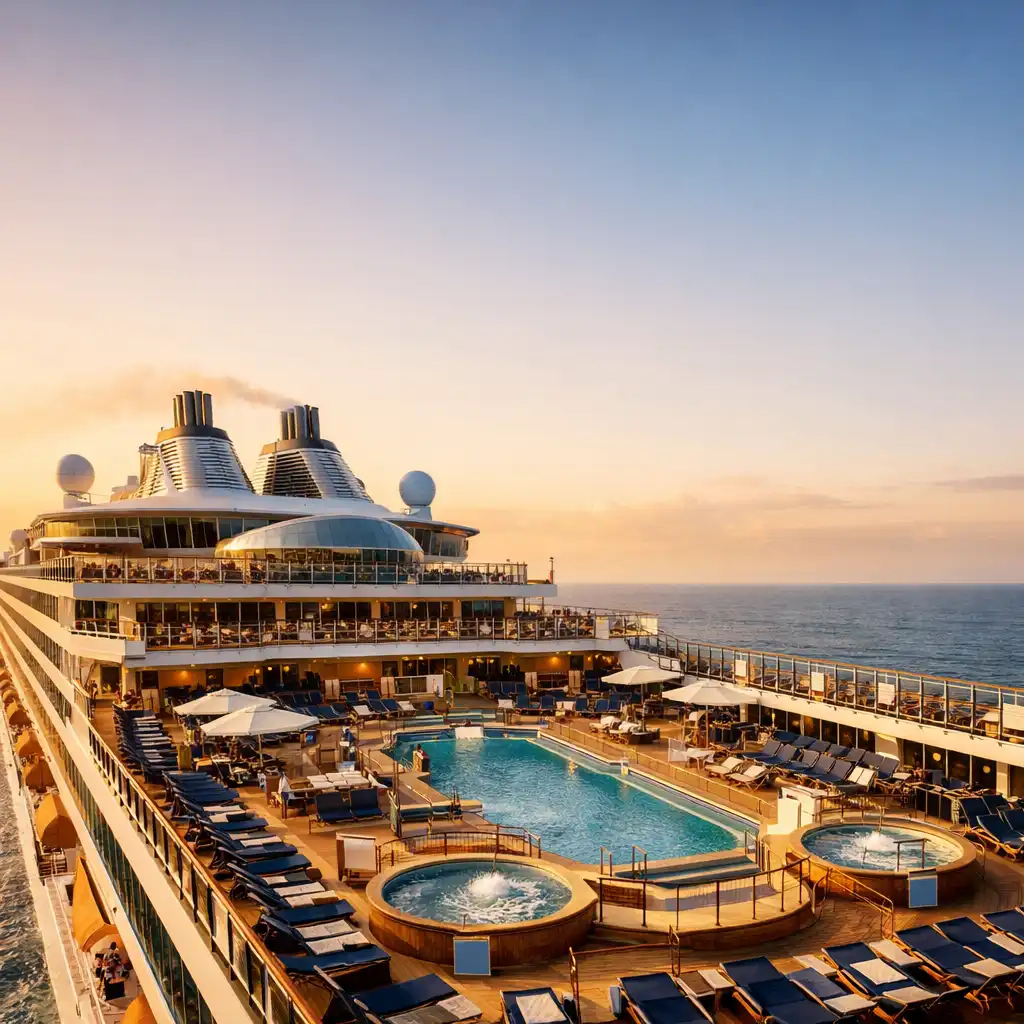
A modern cruise ship's upper deck at golden hour, showing multiple decks, pools, and sun loungers at sea

Deck 1: Foundations

Onboard Infrastructure: The Systems That Make a Cruise Ship Feel Like a Floating City

A cruise ship is a self-contained world of power, water, climate control, and connectivity. Understanding infrastructure helps travellers choose ships that match their comfort and accessibility needs, and modern ships integrate advanced engineering with passenger-facing design.

Deck 2: Scope

What Counts as Onboard Infrastructure?

Onboard infrastructure covers the physical systems and facilities that keep a cruise ship operating and passengers comfortable. It includes power generation, water treatment, HVAC, waste management, and internet connectivity, as well as passenger-facing facilities like pools, elevators, promenade decks, and accessibility features. Modern ships are designed as integrated systems where engineering and guest experience overlap.

  • Power generation and electrical distribution
  • Freshwater production and wastewater treatment
  • Heating, ventilation, and air conditioning
  • Elevators, gangways, and accessible circulation
  • Fire safety, lifeboats, and medical facilities
  • Internet connectivity and smart ship technology

Deck 3: Hidden Systems

Power, Water, and Climate: The Hidden Systems

Power generation

Modern cruise ships use diesel-electric or LNG-powered systems to generate electricity for propulsion and onboard needs. Large ships can produce over 80 megawatts of power, and LNG is increasingly used to reduce emissions. Power is distributed through redundant systems to ensure reliability.

Water treatment and supply

Ships produce fresh water through desalination and treat wastewater to high environmental standards. Desalination plants can produce hundreds of thousands of litres per day, and advanced wastewater treatment systems meet or exceed international regulations. Water is recycled for non-potable uses like laundry and cooling.

Climate control and ventilation

HVAC systems maintain comfortable temperatures and air quality across the ship. Zoned climate control allows different areas to have different temperatures, advanced filtration reduces airborne contaminants, and cabins often have individual temperature controls.

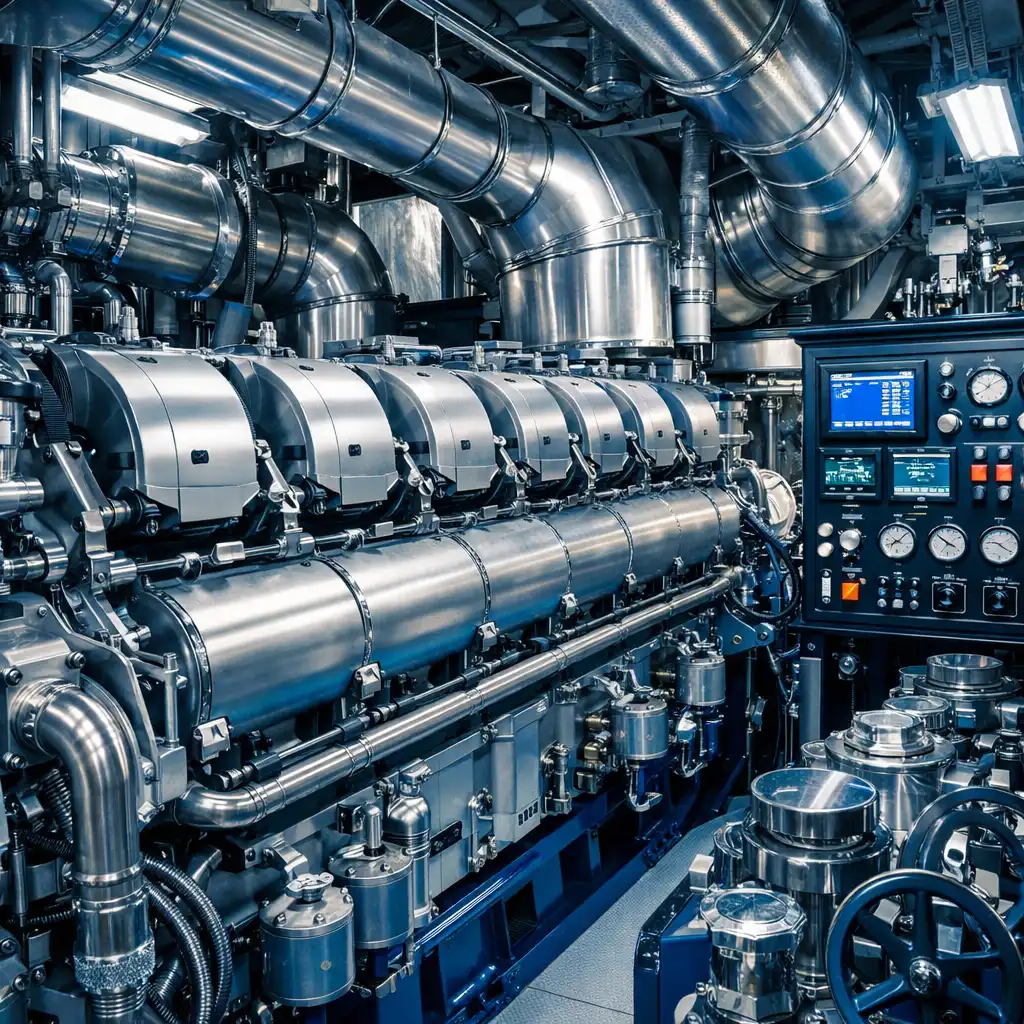
Close-up of a modern cruise ship engine room with gleaming machinery, pipes, and control panels
Engine room detail: precision engineering below the passenger decks.
Typical large-ship utility profile
System Typical scale
Power output 60–90 MW
Freshwater production 500,000+ L/day
Wastewater treatment Advanced biological
HVAC zones Dozens of independent zones

Deck 4: Circulation

Moving Around: Elevators, Gangways, and Deck Design

Elevator systems

Modern cruise ships have multiple elevator banks to handle thousands of passengers. Ships may have 10–20 elevators serving different zones, and smart elevator systems reduce wait times by grouping passengers by destination. Accessible elevators are wider and have braille buttons and audible announcements.

Gangways and embarkation

Gangways are designed for efficient and safe boarding at ports of call. Modern gangways are enclosed and wheelchair accessible, and some ships have multiple gangway positions to speed up embarkation. Tender ports use small boats with accessible boarding platforms.

Deck layout and signage

Clear deck design and signage help passengers navigate large ships. Deck plans are colour-coded and available digitally, signage uses universal symbols and multiple languages, and public spaces are distributed to reduce congestion.

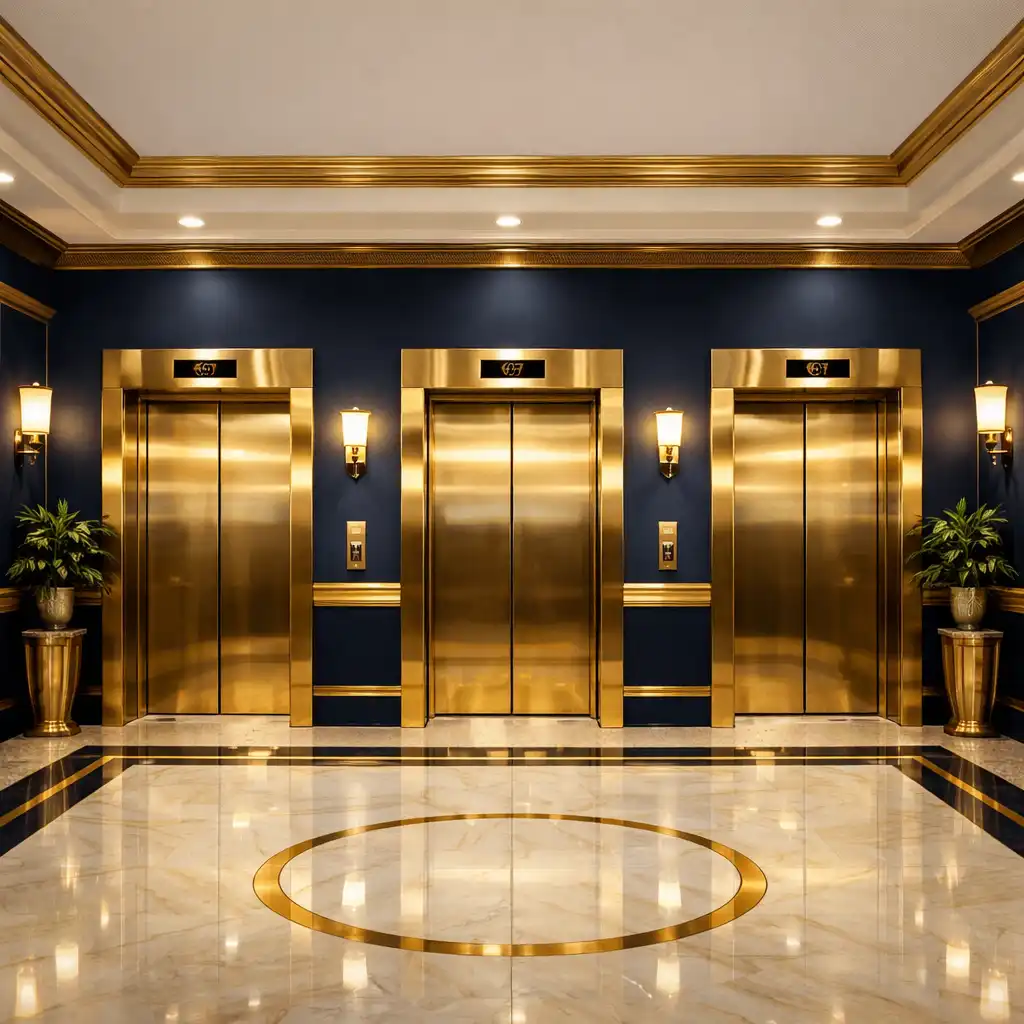
Elegant elevator lobby on a cruise ship with brass accents and warm lighting
An elevator lobby designed for calm, efficient passenger flow.

Deck 5: Safety

Safety and Environmental Systems

Fire safety and lifeboats

Cruise ships have extensive fire detection and suppression systems, plus lifeboats for all passengers and crew. Fire zones are isolated by fire doors and bulkheads, lifeboat capacity exceeds total passenger and crew numbers, and regular drills ensure crew readiness.

Environmental compliance

Modern ships use advanced waste treatment, emissions control, and ballast water management. Exhaust gas cleaning systems reduce sulfur emissions, ballast water treatment prevents invasive species transfer, and waste is sorted, incinerated, or offloaded at port.

Medical facilities

Ships have medical centres with doctors and nurses, plus isolation capabilities. Medical centres are equipped for common emergencies, ships can coordinate with shore-based medical services, and isolation cabins are available for contagious illnesses.

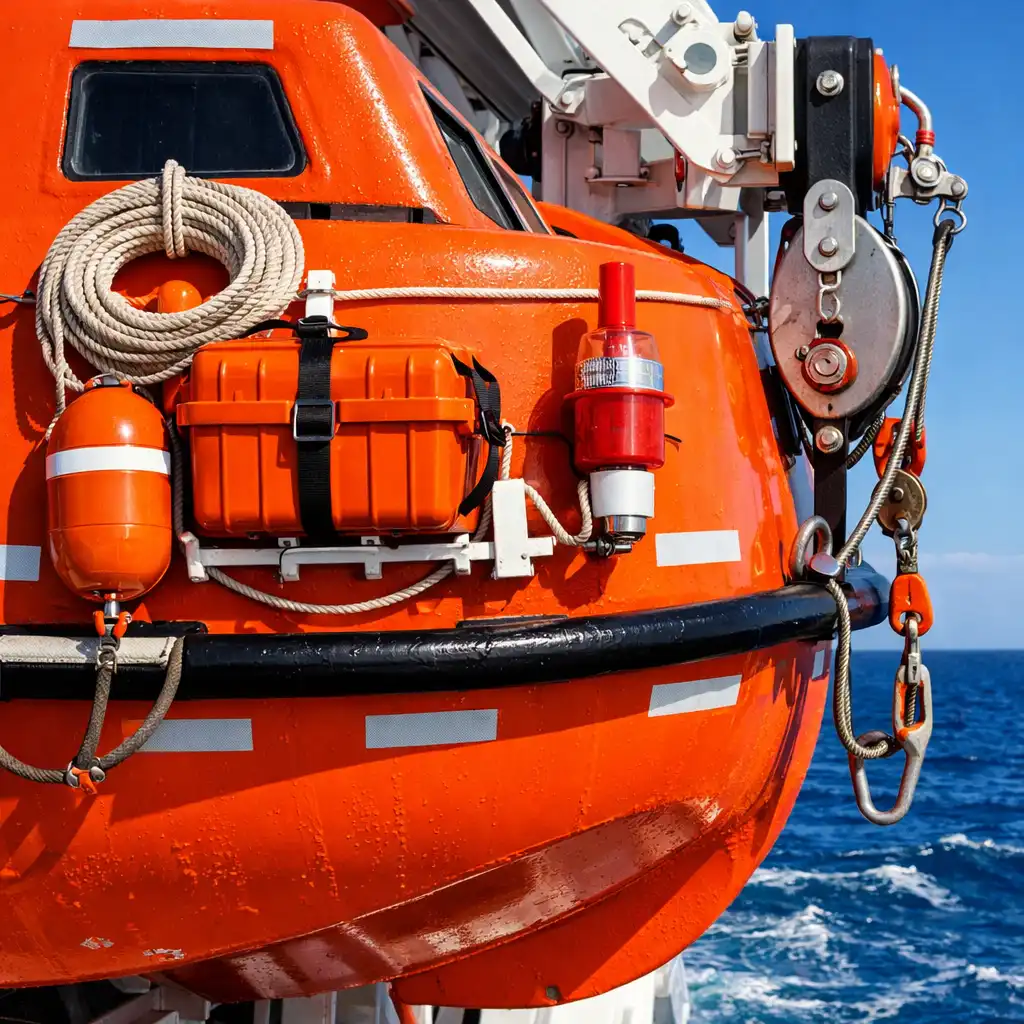
Close-up of a cruise ship lifeboat with orange hull and safety equipment
Lifeboat systems are engineered for all passengers and crew.
Safety infrastructure is the quiet constant of every voyage: engineered redundancy, regular drills, and medical readiness that passengers rarely see but always depend on.

Deck 6: Connectivity

Connectivity and Smart Ship Technology

Internet at sea

Satellite internet provides connectivity, with speeds varying by ship and location. Modern ships use low-earth orbit satellites for faster speeds, internet packages are often tiered by usage, and coverage can be affected by weather and location.

Smart ship features

Many ships offer mobile apps for navigation, dining reservations, and onboard purchases. Apps provide deck maps and daily schedules, some ships use wearable devices for cabin access and payments, and IoT sensors monitor energy use and maintenance needs.

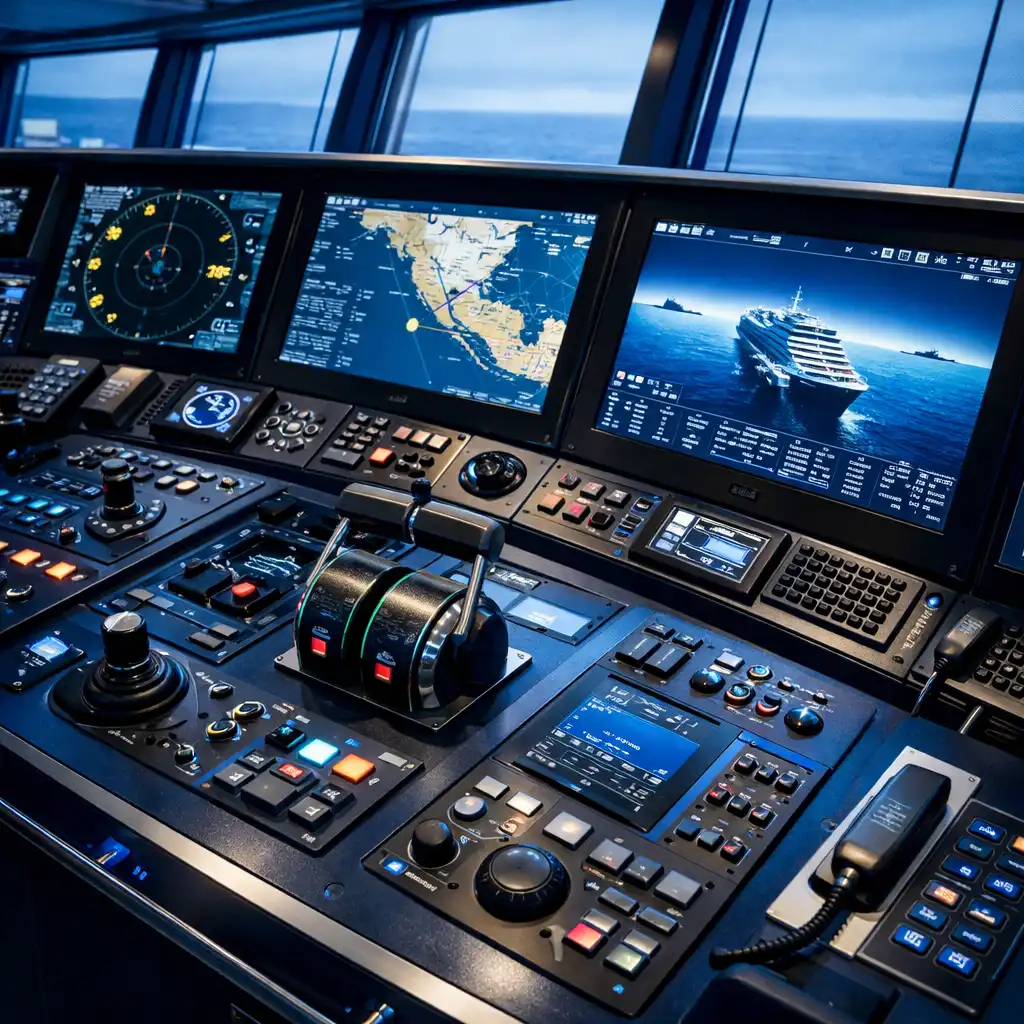
Modern cruise ship bridge control panel with screens, dials, and navigation equipment
Bridge control systems bring smart-ship data to the crew.

Deck 7: Public Spaces

Public Spaces and Passenger Facilities

Pools and water features

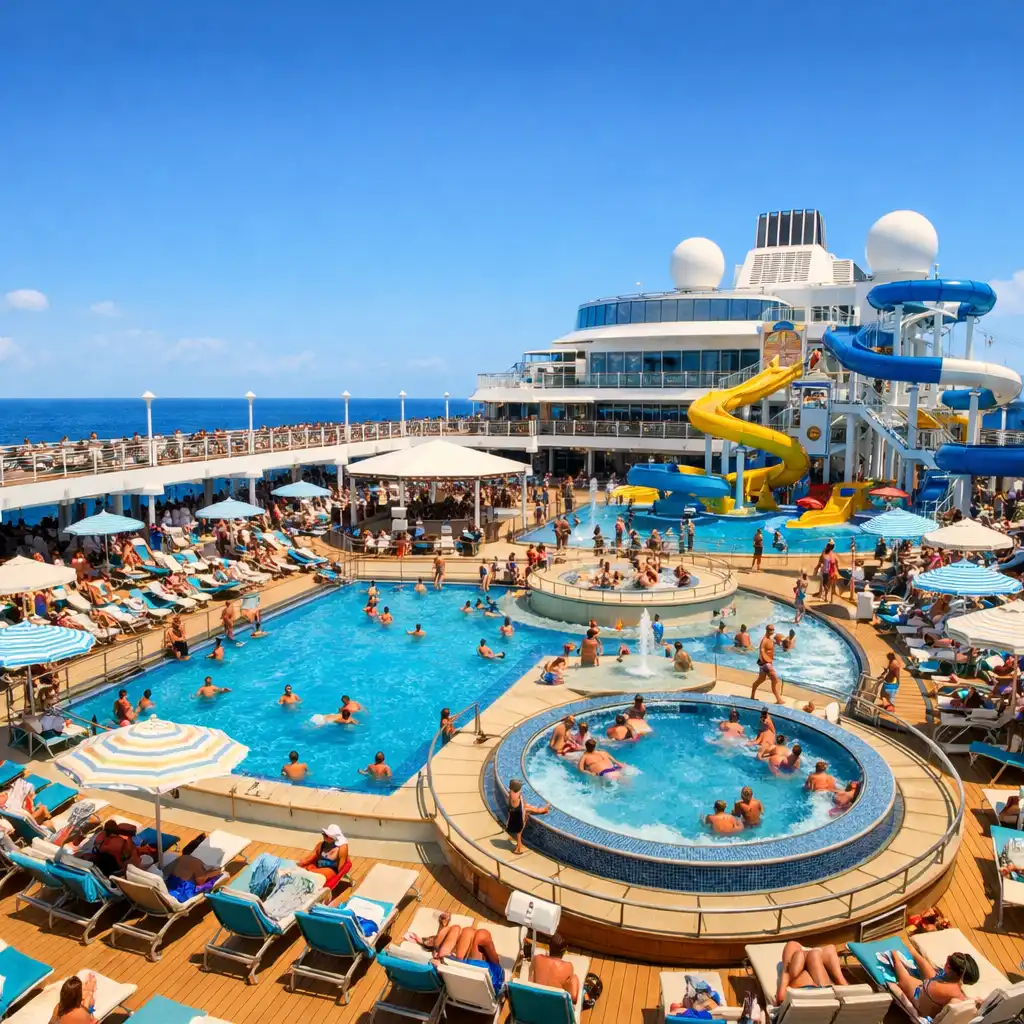
Pools are engineered with filtration and heating systems, and some ships have retractable roofs. Pools use saltwater or freshwater with continuous filtration, some ships have multiple pools for different age groups, and retractable roofs allow use in all weather.

Theaters and entertainment venues

Theaters are designed with advanced acoustics, lighting, and seating for large audiences. Main theaters can seat over 1,000 passengers, acoustic design minimises noise from other areas, and some ships have outdoor movie screens and aqua theaters.

Promenade decks and outdoor spaces

Promenade decks provide walking tracks and outdoor relaxation areas. Some ships have wrap-around promenades, outdoor spaces include jogging tracks, sports courts, and sun decks, and design considers wind and weather protection.

Vibrant cruise ship pool deck with multiple pools, water slides, and sun loungers
A pool deck designed for all-weather use and crowd flow.

Deck 8: Ship Classes

Infrastructure Across Ship Classes

Mega-ships

Mega-ships over 4,000 passengers offer extensive facilities but can feel crowded. They feature multiple pools, theaters, and dining venues, advanced people-moving systems like escalators and many elevators, and high energy and water demands.

Mid-size ships

Mid-size ships of 1,500–3,500 passengers balance facilities with intimacy. They offer a good variety of public spaces without overwhelming scale, shorter walking distances and less congestion, and are often more accessible for travellers with mobility concerns.

Luxury and expedition ships

Luxury ships focus on high-end infrastructure like spacious suites and premium spas. They have fewer passengers and more space per person, advanced stabilisers for smoother sailing, and expedition ships have specialised infrastructure for remote areas.

Infrastructure comparison
Class Passengers Facility density
Mega-ship 4,000+ Very high
Mid-size 1,500–3,500 Moderate
Luxury Under 1,500 Low, spacious
Expedition Under 500 Specialised

Deck 9: Checklist

Practical Checklist: What to Look For

Use this checklist to evaluate ship infrastructure before booking.

  • Check deck plans for elevator locations and accessibility.
  • Look for recent refurbishments or new builds for modern systems.
  • Consider ship size and passenger-to-space ratio.
  • Read reviews about air conditioning, water pressure, and internet reliability.
  • Ask about environmental certifications if sustainability matters to you.

Deck 10: FAQ

FAQ: Common Infrastructure Questions